Find Your Next
Esports Tournament
Compare formats, review transparent sponsor-funded prize pools, and submit your team registration for top competitive events across Europe. Verified rules, fair play, and strict administrative oversight ensure a purely skill-based environment.
Featured Circuits
Explore our top-rated competitive circuits currently open for team registration inquiries. All listed tournaments are thoroughly vetted for administrative professionalism, clear rulebooks, and verifiable sponsor-backed prize pools. Find the perfect division range for your squad's skill level.
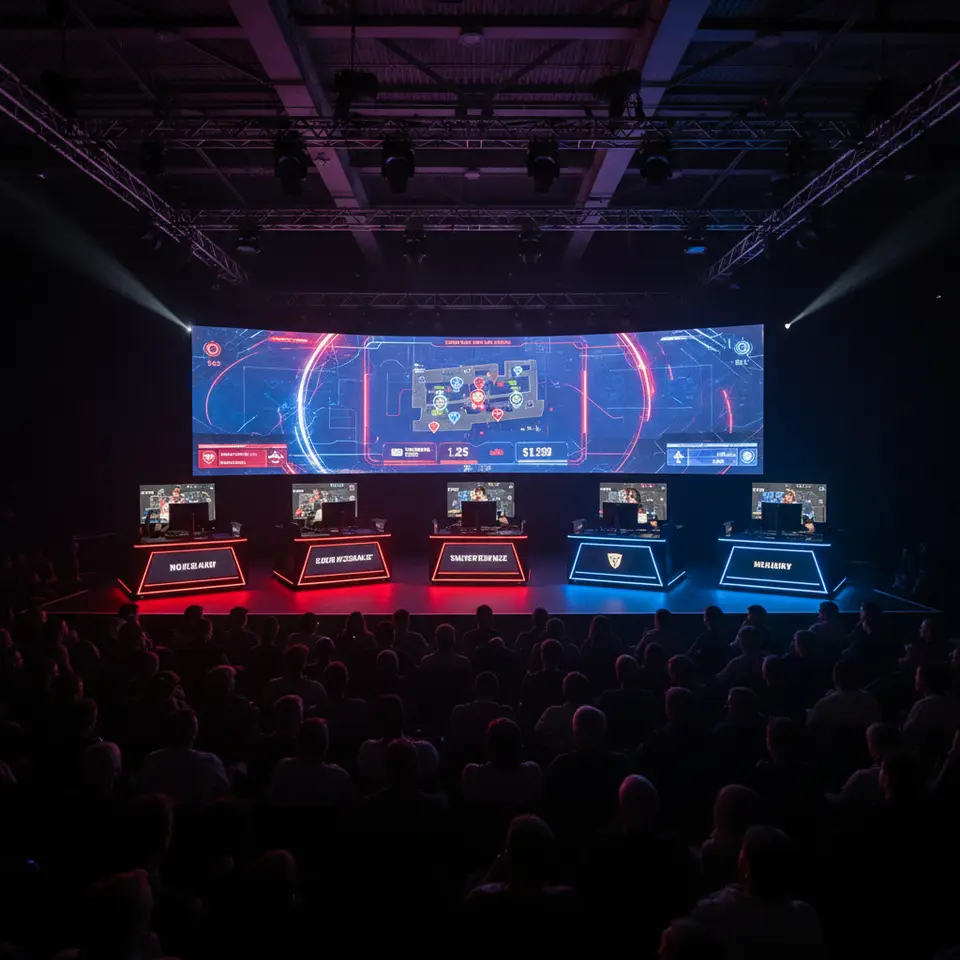
Bucharest Clash Series
📍 Bucharest, Romania
Romania's premier Valorant circuit featuring intense LAN finals and strict tactical rulebooks. Focused on fair play and roster-lock policies.
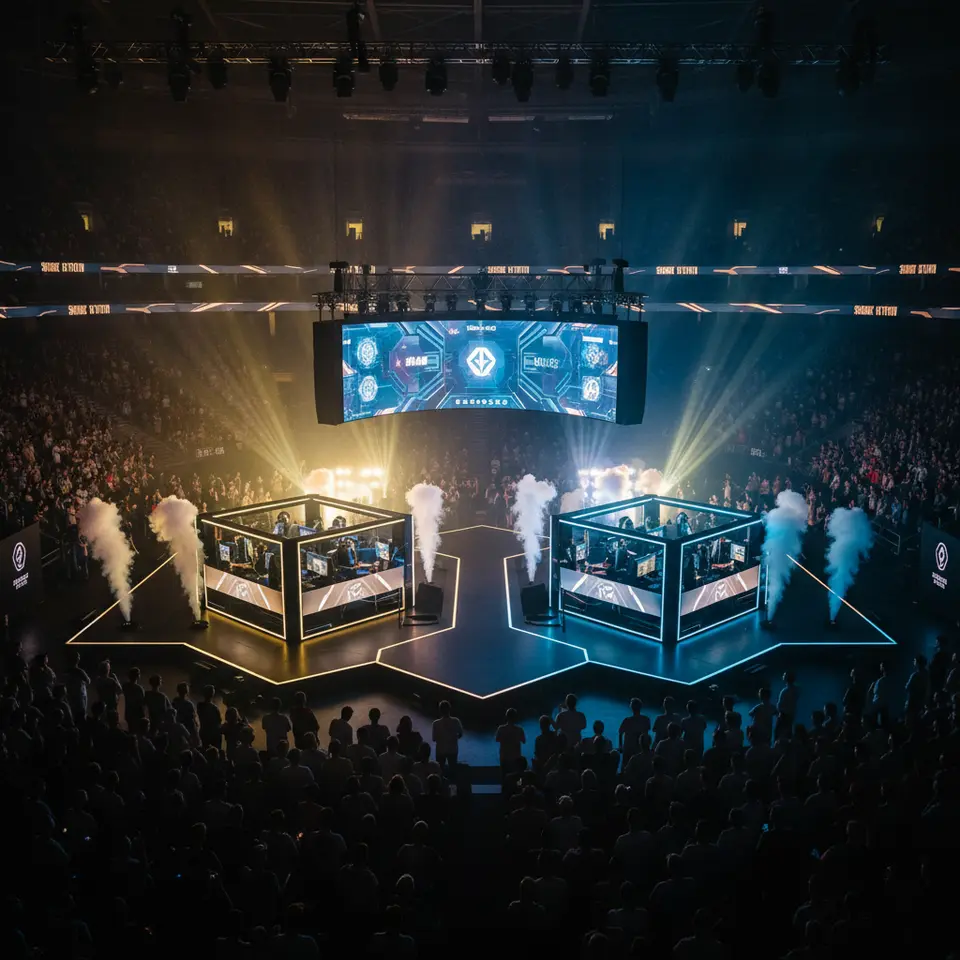
Transylvania Masters
📍 Cluj-Napoca, Romania
A legendary CS2 circuit known for brutal online group stages and a massive arena playoff in Cluj-Napoca. Transparent administration and scheduling.
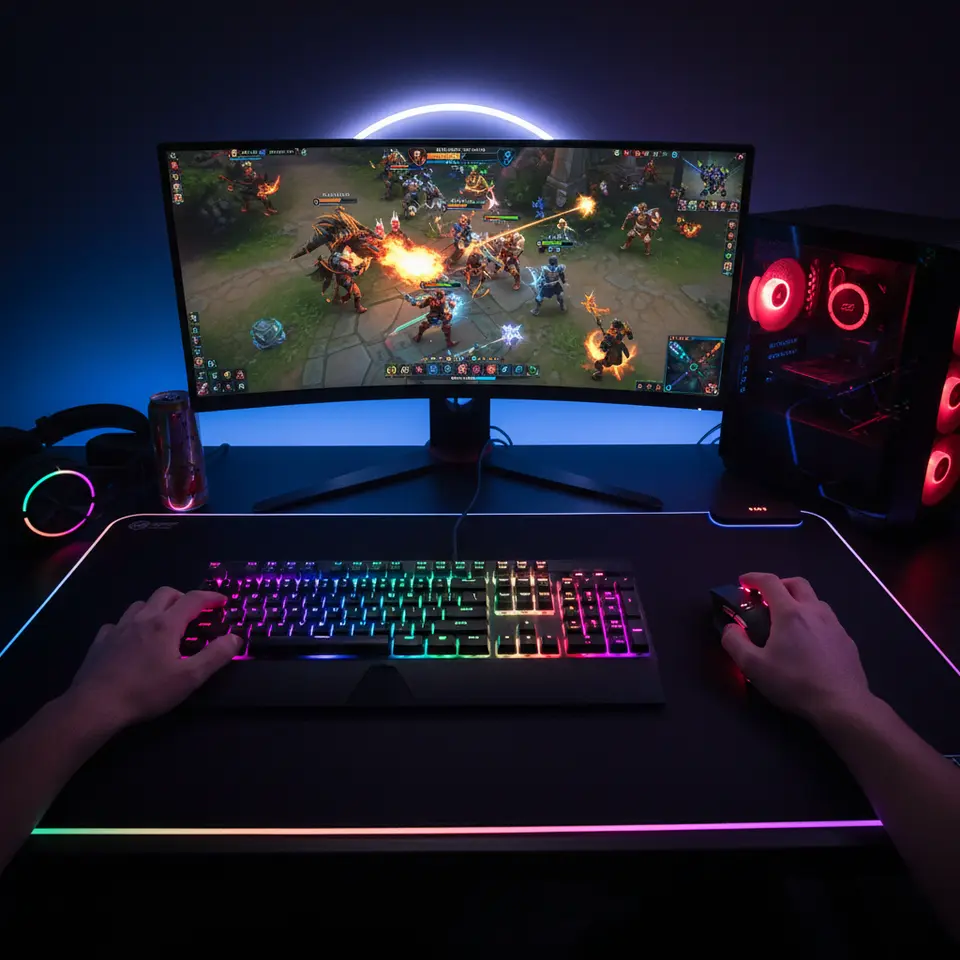
Romanian Rift Circuit
📍 Europe (Online)
An accessible online MOBA tournament allowing amateur teams to climb the ranks and face Semi-Pro rosters with precise scheduling.
Popular Games Hub
Browse our expansive catalog sorted by your squad's primary competitive title. Each game category connects you directly to official circuits ranging from Open Qualifiers to high-stakes Pro-Am arenas, with clear format rules and verified prize backing.

Tournament Safety Checklist
We mandate rigorous standards for every event in our directory. Before submitting any team registration request, ensure the tournament aligns with professional, safe, and transparent operational guidelines. Here is what we look for in our verified circuits.
Transparent Rulebooks
Every listed circuit must provide a comprehensive, publicly accessible rulebook detailing anti-cheat measures, match dispute processes, substitute policies, and roster lock deadlines. Predictability ensures fair competitive integrity.
Verifiable Sponsor Funding
All prize pools must clearly state their funding sources (e.g., regional tech sponsors, hardware brands) rather than relying on unverified claims. We prioritize sponsor-funded pools over complex entry-fee dependency to protect players.
Clear Skill Divisioning
Proper division mapping prevents skill disparities. Tournaments must define exactly who qualifies for Open, Semi-Pro, and Pro-Am tiers, ensuring that amateur rosters aren't unfairly matched against professional teams in preliminary rounds.
Admin Communication
Organizers must provide direct communication channels (Discord, email, support desks) during the event schedule. Responsive moderation is crucial for handling server pauses, disconnects, and fair dispute resolutions in real-time.
How to Compare Tournaments
Navigating the esports landscape requires strategic planning. Follow this step-by-step process to evaluate our catalog, align your team's workload, and secure a spot in the right competitive circuit for your specific region and title.
Filter by Game & Division
Use our advanced catalog filters to select your primary game and the appropriate skill division (Open Qualifier, Semi-Pro, Pro-Am). Aligning your squad's true skill level with the correct tier is the foundation of a rewarding competitive experience.
Evaluate Schedule Workloads
Review the schedule summary for each tournament. Distinguish between one-day sprints, weekend events, and multi-week leagues. Ensure your entire roster, including designated substitutes, can commit to the designated match times and potential playoff dates.
Verify Prize & Format Rules
Examine the prize pool breakdown to understand how sponsor funds are disbursed. Read the official tournament formats (e.g., Double Elimination, Swiss, Round Robin) and ensure you agree with the organizer's terms and conditions regarding payouts.
Submit Team Registration
Once you've compared your options, use the inquiry forms to contact the admins or submit your official registration request before the bracket lock. Provide accurate player handles and communication details to secure your roster's placement.
Ultimate Player Decision Guide: Navigating Competitive Esports Circuits
Entering the structured world of competitive esports requires more than just mechanical skill; it demands strategic planning, deep understanding of tournament operations, and careful roster management. This comprehensive resource is designed to help team captains, individual players, and managers thoroughly evaluate the events listed in our directory. From scrutinizing transparent prize pools to aligning your squad with the correct regional skill division, this guide serves as your essential playbook for organized competitive gaming.
1. Assessing Your Team's Roster and Skill Division Appropriateness
One of the most critical decisions a team captain must make before submitting a registration request is selecting the appropriate skill division. The esports ecosystem generally categorizes events into Open Qualifiers, Semi-Pro leagues, and Pro-Am circuits. Choosing incorrectly can lead to early elimination or an unbalanced, unrewarding experience for both your squad and the tournament organizers.
Open Qualifiers: These are the bedrock of grassroots esports. Events like the Arena Velocity Open (Rocket League) and the Romanian Rift Circuit (League of Legends) utilize this format to cast a wide net. They are highly accessible, often requiring no prior competitive credentials, and serve as a proving ground for newly formed rosters. The primary goal here is to gain structural experience: learning how to adhere to strict check-in times, managing match day nerves, and communicating effectively under pressure. If your team has fewer than three months of structured practice together, an Open Qualifier is the definitive starting point.
Semi-Pro Leagues: When a roster has consistently reached the later stages of Open Qualifiers, the natural progression is the Semi-Pro division. Tournaments such as the Bucharest Clash Series (Valorant) or Heroes of the East (Overwatch) fit perfectly into this tier. Semi-Pro circuits often involve multi-week schedules, demanding a higher level of commitment and tactical depth. Opponents in these brackets study VODs (Video on Demand), execute complex set plays, and possess deep map knowledge. Entering a Semi-Pro tournament requires a stable roster, a designated substitute player, and a clear understanding of the rulebook's anti-cheat and roster-lock provisions.
Pro-Am Circuits: The pinnacle of the regional directories, Pro-Am (Professional-Amateur) events like the Transylvania Masters (Counter-Strike 2) blend elite amateur talent with established, sponsored professional organizations. These events often boast massive, sponsor-funded prize pools (e.g., €25,000) and culminate in high-pressure LAN arena events. Pro-Am registration is stringent, frequently requiring identity verification, detailed organizational backgrounds, and strict adherence to broadcast guidelines. Only teams with extensive league experience and robust psychological resilience should attempt these grueling gauntlets.
2. Understanding Sponsor-Funded Prize Pools and Distribution
A core pillar of the NexusClash directory is the emphasis on transparent, sponsor-funded prize pools. In the competitive scene, the financial backing of an event dictates its operational quality and payout reliability. Players must meticulously review the financial terms outlined in an organizer's official rules before committing to a schedule.
Sponsor-funded events are backed by external entities—such as hardware manufacturers, local tech firms, or energy drink brands—rather than relying solely on crowd-funded entry fees. This structure significantly reduces the risk to participants and ensures that the advertised prize pool, whether it is the €12,500 offered in the Balkan Aegis Cup or the €15,000 for the Carpathian Drop Zone, is guaranteed by professional contracts. However, the presence of a large prize pool is only one part of the equation; understanding the distribution model is equally vital.
Always review the payout schedule. Organizers will typically distribute funds on a scaled basis, rewarding the top four to eight teams. Ensure that the rulebook explicitly states the timeline for disbursements—standard industry practice ranges from 30 to 90 days post-event to allow for tax documentation, identity verification, and thorough anti-cheat audits. Furthermore, be aware of 'subject to official rules' disclaimers. These clauses are standard legal protections that require players to maintain exemplary conduct, fulfill media obligations, and pass all integrity checks before funds are released. Transparency in these processes is the hallmark of a premier tournament.
3. Online Brackets vs. Regional LAN Finals Workload
Evaluating a tournament's venue structure is essential for logistical planning. Our directory features a mix of purely online circuits, hybrid formats, and prestigious regional LAN (Local Area Network) finals. Each format imposes unique demands on a player's schedule, hardware, and travel capabilities.
Purely Online Circuits: Events like the Romanian Rift Circuit operate entirely digitally. These are incredibly convenient, eliminating travel costs and allowing players to compete from their established home setups. However, online events heavily rely on player-side internet stability and strict adherence to check-in protocols via platforms like Discord. Teams must be proficient in managing client updates, network troubleshooting, and real-time communication with remote tournament admins. The workload is distributed, often requiring just a few hours a week over a prolonged period.
Hybrid Formats (Online to LAN): The most prestigious events, such as the Bucharest Kickoff Series (EA FC) and the Bucharest Clash Series, utilize a hybrid model. Teams battle through grueling online qualifiers to earn a coveted spot at a physical venue. This structure tests both remote consistency and the ability to perform under the bright lights of a live stage. If your team registers for a hybrid event, you must pre-plan for the possibility of travel. Ensure that all roster members possess valid identification, have clear schedules for the LAN weekend, and can manage travel logistics to cities like Bucharest or Cluj-Napoca.
LAN Arena Environments: Competing at an event like the Transylvania Masters at BTarena changes the dynamic entirely. Players must adapt to unfamiliar tournament-provided PCs, stage lighting, crowd noise, and the physical presence of opponents. Hardware guidelines are strict—organizers typically require players to submit their peripheral drivers in advance and disallow unauthorized software. The psychological weight of a LAN event is immense, requiring robust team leadership and mental fortitude.
4. Thoroughly Reviewing the Official Rulebook and Format
The rulebook is the absolute law of any competitive circuit. A common pitfall for developing teams is ignoring the fine print until a dispute arises. Before you initiate any team registration request, the captain must read and comprehend the organizer's operational framework.
Key areas to scrutinize include the bracket format. Is it Single Elimination, Double Elimination, Swiss System, or Round Robin? A Double Elimination bracket (like the Balkan Aegis Cup) offers a safety net, allowing teams to recover from a single bad match via a lower bracket run. A Swiss System provides numerous matches against teams of similar records, ensuring maximum playtime. Conversely, Single Elimination is ruthless and demands immediate peak performance.
Additionally, examine the pause and disconnect policies. If a player experiences a hardware failure mid-match, how much pause time is allotted? What constitutes a valid reason for a remake? Understanding these rules allows captains to interact professionally with admins during crises, rather than arguing baseline policies. Roster lock deadlines are equally crucial. Ensure you know exactly when your final player list must be submitted, and understand the strict limitations placed on utilizing emergency substitutes during the playoffs.
5. Tactical Preparation and Scrimmage Alignment
Once you have selected an event from the NexusClash catalog—say, the tactical 60-player Carpathian Drop Zone (Apex Legends)—your team's preparation must align with the specific format of that tournament. Entering a high-stakes bracket without targeted practice is a recipe for rapid elimination.
Organize scrimmages (practice matches) that mimic the exact conditions of the upcoming tournament. If the event utilizes a specific map pool ban system, enforce that system during your practice sessions. If the tournament features a one-day sprint format, schedule marathon practice days to build mental stamina and test your team's communication degradation over extended periods. For Battle Royale leagues, practice specific drop zone contesting, rotation timing based on point systems (which often prioritize placement over mere eliminations), and end-game stabilization.
Ultimately, a successful tournament run is built weeks before the first official match begins. By utilizing this directory to research formats, comparing the transparent prize structures, understanding division workloads, and preparing tactically for the specific rulebook, your team will enter the server not just as participants, but as prepared competitors ready to claim the championship.
Division-by-Game Strategy Guide
Different game genres demand entirely different approaches to team registration and roster management. Use these specific tips to align your squad's capabilities with the correct competitive titles and divisions offered in our catalog.
Tactical Shooters (Valorant, CS2)
Division Fit: Semi-Pro to Pro-Am.
Workload & Roster: Requires a strict 5-player core with deep strategic
synergy. Map pools are extensive. Ensure your substitute is fully integrated into your
execute strategies. Review the rulebook for precise tactical pause allowances, as these are
heavily utilized in higher divisions.
MOBAs (LoL, Dota 2)
Division Fit: Open Qualifier to Semi-Pro.
Workload & Roster: Highly dependent on draft phases and meta adaptation.
Weekly online circuits require massive time commitments for VOD review. Check the tournament
profile for draft tool requirements and pause limits regarding network latency.
Battle Royale (Apex, Fortnite)
Division Fit: Open Leagues.
Workload & Roster: Involves custom lobbies with 20-30 squads
simultaneously. Point systems vary wildly (placement heavy vs elimination heavy). Ensure all
players on the roster are verified in the specific tournament client to avoid lobby kicks.
Sports / Fighting (EA FC, Rocket League)
Division Fit: Sprints & 1v1 Arena.
Workload & Roster: Fast-paced, high-frequency matches. Perfect for newer
players looking to build tournament stamina. Sprints often conclude in a single day, meaning
scheduling conflicts are minimal but mental fatigue is extremely high.
Hero Shooters (Overwatch)
Division Fit: Semi-Pro Circuits.
Workload & Roster: Heavily reliant on ultimate economy and role specific
synergy. Roster locks are critical here, as substituting a main tank for a support player
mid-tournament is generally disallowed by official organizers.
General Roster Management
Universal Tip: Regardless of the game, always submit your registration well before the deadline. Organizers require lead time to seed brackets fairly based on past performance data. Late inquiries are almost universally rejected to protect bracket integrity.
Local Region Tournament Guidance
Understanding the geographic and regional layout of our catalog is crucial for teams aiming for LAN finals. Compare travel requirements and regional accessibility for our most prominent physical and online circuits.
Bucharest Arena Events
High Travel ImpactTournaments like the Bucharest Clash Series and Bucharest Kickoff Series require a physical presence in Romania's capital for the final stages. Hosted at major venues like Nexus Arena, these events offer incredible stage experience. Teams must budget for travel, accommodation, and adhere to strict venue hardware guidelines. Ideal for Pro-Am squads.
Cluj-Napoca Majors
Major VenueThe legendary Transylvania Masters brings massive crowds to BTarena. This region serves as a major hub for Counter-Strike 2. Teams qualifying for this stage face rigorous identity verifications and must be prepared for the psychological pressure of a massive live audience. A true test for elite rosters.
Eastern Europe Online Circuits
Low Travel ImpactEvents such as the Balkan Aegis Cup (Dota 2) and Heroes of the East (Overwatch) operate primarily online, serving the broader Eastern European region. These provide top-tier competition without the logistical overhead of travel, relying instead on strict server region rules to maintain fair latency across matches.
Pan-European Open Qualifiers
AccessibleThe Arena Velocity Open and Carpathian Drop Zone are accessible to rosters across Europe. Hosted entirely via custom online lobbies, these events are perfect starting points for new teams. They prioritize seamless scheduling and wide participation over geographical exclusivity.
Editorial Player Resources
Equip yourself with the knowledge needed to succeed. Read our deep-dive articles on tournament preparation, understanding complex rulebooks, and ensuring your team is ready for the pressures of organized competition.
How to Choose the Right Skill Division for Your Roster
One of the most common mistakes newly formed teams make is entering a Pro-Am circuit before they are ready. This article breaks down the metrics you should use to evaluate your squad's readiness. We analyze win rates in scrimmages, communication stability during high-stress matches, and the importance of having a dedicated shot-caller. Learn why starting in Open Qualifiers, even if you feel mechanically gifted, builds the structural discipline required to eventually tackle Semi-Pro leagues and secure sponsor-funded prize pools safely and effectively.
Read Full Guide →Deciphering Rule Clarity and Schedule Workloads
An esports rulebook is a legally binding document that governs your competitive experience. In this resource, we dissect standard tournament clauses, focusing on the critical differences between single and double elimination formats, the exact definition of a valid match pause, and how roster locks function during playoff stages. Furthermore, we explore how to realistically evaluate a tournament's schedule summary to ensure your five-man roster can commit to the required weekly matches without risking disqualification due to tardiness or absenteeism.
Read Full Guide →Top 10 Team Registration Questions Every Captain Must Ask
Before you click 'Register', team captains carry the responsibility of vetting the event. We provide a comprehensive checklist of questions you must bring to tournament organizers. Topics cover verifying the source of sponsor-funded prize pools, understanding the exact timeline for financial disbursements, clarifying the required anti-cheat software, and establishing the protocol for disputing match results. Asking these questions ensures your team invests their time in a transparent, professionally managed circuit rather than an unorganized amateur bracket.
Read Full Guide →Player Reviews & Feedback
Hear directly from competitors who have utilized our catalog to find, compare, and compete in top-tier skill-based circuits. Real teams, real tournaments, and transparent feedback.
"The Bucharest Clash Series was incredibly well-run. The Semi-Pro | Pro-Am division was exactly the challenge we needed. The organizers were fully transparent about the €15,000 sponsor-funded prize pool, and the LAN finals at Nexus Arena were unforgettable."
"We've played in a lot of CS2 events, but the Transylvania Masters stands out. The brutal online group stages weeded out the casuals, and making it to the arena playoff in Cluj-Napoca was a massive achievement. Registration was strict but fair."
"As an amateur team, the Arena Velocity Open was perfect. It's a one-day sprint format that didn't overwhelm our schedule. The €5,000 sponsor-funded prize pool and hardware rewards were clearly stated in the official rules. Great Open Qualifier."
"The Bucharest Kickoff Series tested my 1v1 skills to the limit. Navigating the online qualifiers to reach the LAN finals in Bucharest was intense. The admins were responsive, and the €8,000 prize payout schedule was strictly adhered to as per the rulebook."
"The Carpathian Drop Zone is a brutal four-week league. With 60-player custom lobbies, coordination is everything. The fact that the €15,000 prize pool is sponsor-funded gave us the confidence to commit our squad fully to the schedule."